
Lead Cavity Trays
Professional design and installation of compliant lead cavity tray systems for residential, commercial, and heritage buildings.
Lead cavity trays play a critical role in managing moisture within masonry walls. When correctly specified and installed, they protect vulnerable junctions, prevent water tracking internally, and support the long-term performance of the building envelope.
Lead Cavity Tray Installation
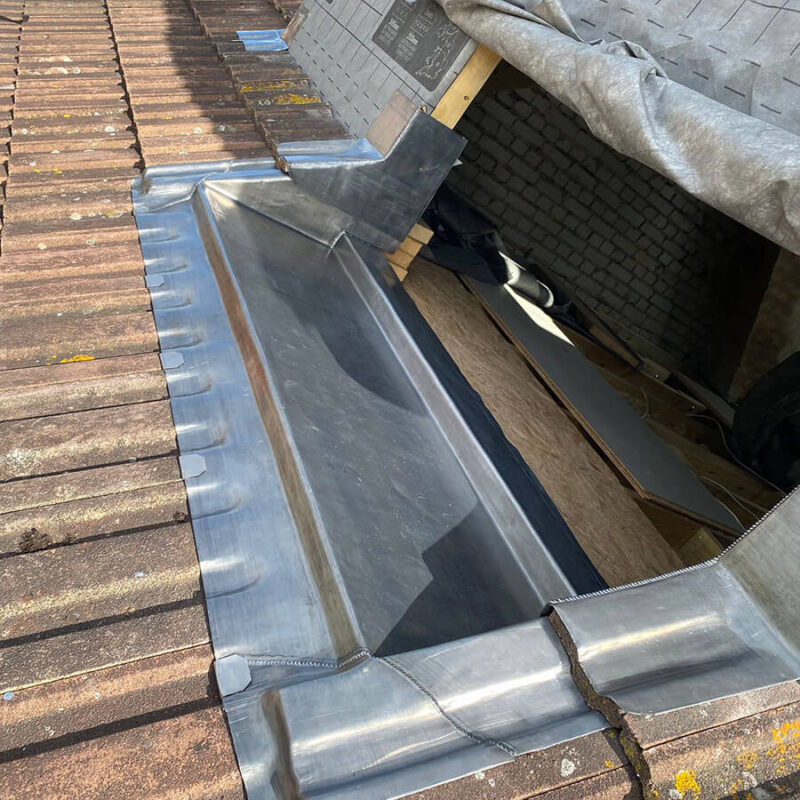
Lead cavity trays are installed within cavity walls to intercept moisture and safely direct it back to the external face of the building. They are typically required above openings, at roof abutments, and at changes in level or construction where water movement within the cavity needs to be controlled.
Incorrect detailing, poor workmanship, or missing trays can lead to moisture penetrating the internal structure. Our approach focuses on correct specification, accurate detailing, and compliant installation to ensure cavity trays perform as intended for the life of the building.
What Lead Cavity Trays Help With
Lead cavity trays are designed to manage water movement within cavity walls and protect vulnerable junctions. When trays are missing, damaged, or incorrectly detailed, a number of moisture-related issues can occur.

Damp Prevention
Correctly installed lead cavity trays help manage moisture within cavity walls, reducing the risk of long-term damp developing behind masonry and internal finishes.

Water Ingress
Lead cavity trays intercept water travelling across cavity walls and redirect it externally, protecting junctions such as openings, abutments, and changes in structure.
Water Leaking
Localised water leaks can occur where cavity trays are missing or poorly detailed above windows, doors, or roof interfaces, allowing water to track internally.

Penetrating Damp
Failed or incorrectly installed cavity trays can allow moisture to pass through masonry, leading to penetrating damp and internal damage.
Our Approach
We follow a structured, technically led process to ensure every cavity tray installation meets regulatory and performance requirements.
1
Site Survey & Assessment
We review the issue, inspect the affected areas and identify the root cause of moisture or water ingress.
2
Specification & Detailing
A clear plan outlining the recommended installation, required detailing and expected project scope.
3
Installation & Sign-Off
Work carried out to compliant standards, with final checks and guidance on ongoing building protection.
Applications
Lead cavity tray installation is commonly required across a wide range of building types and project scopes, including:
- New build developments
- Extensions and refurbishments
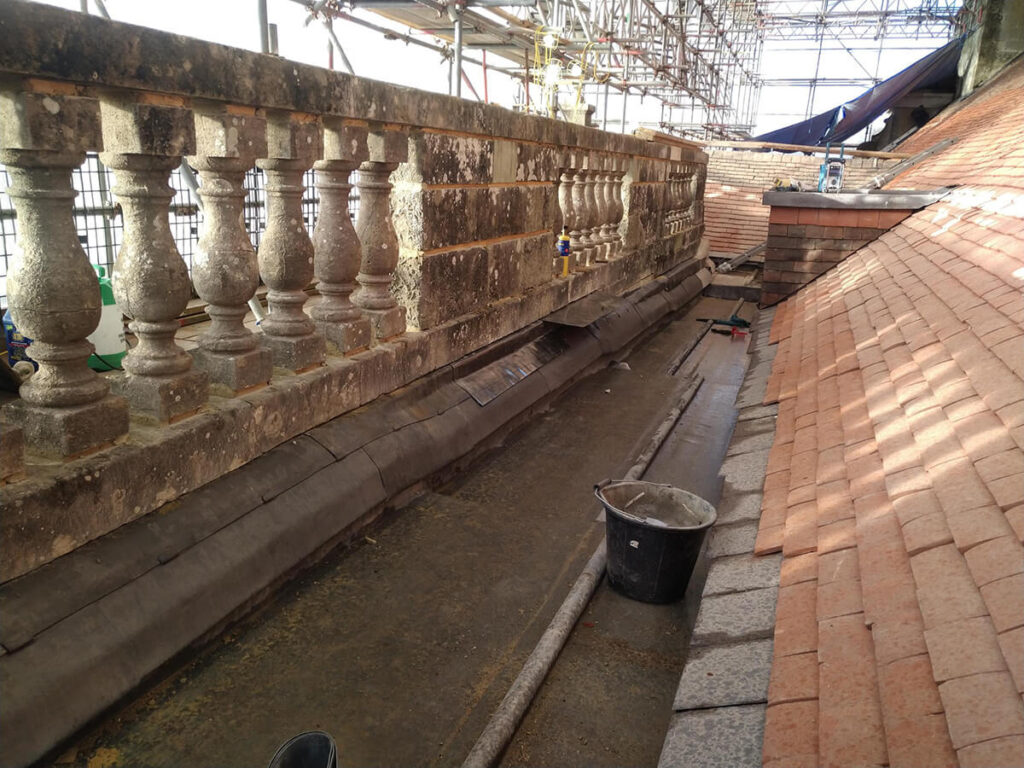
- Heritage and listed buildings
- Commercial masonry structures
Each installation is assessed based on the specific construction, exposure conditions, and detailing requirements of the project.
Get in Touch
Standards and Compliance
All lead cavity tray work is carried out in line with current technical and regulatory standards, including:
- BS EN 12588 compliance
- LSA-approved detailing methods
- Building Regulations requirements
- Commercial masonry structures
This ensures installations are durable, compliant, and fit for purpose across the full life of the building.
Why Choose TrayTek
TrayTek combines decades of leadworking expertise with a commitment to technical accuracy and long-term building performance. We deliver reliable, compliant installations tailored to each project’s requirements, from new developments to Grade I listed structures.
BS EN 12588 compliant lead and LSA-approved detailing methods
Fully qualified craftsmen with heritage and conservation experience
Comprehensive surveys, technical reports and installation guidance
Proven results across residential, commercial and historic properties
Transparent communication and clear project oversight
Practical, durable solutions based on accurate diagnosis
Customer Feedback
Our work is trusted by contractors, developers, and property owners across a wide range of project types. Feedback consistently reflects our technical understanding, attention to detail, and reliable delivery.
Frequently Asked Questions
They are typically required above openings, roof abutments, and at changes in construction where water movement within the cavity needs to be controlled.
In many cases, yes. Retrofitting may involve localised masonry removal and careful detailing to ensure effectiveness.
Yes. Lead is commonly specified for heritage and listed buildings due to its durability and compatibility with traditional construction.
They help prevent moisture ingress within cavity walls but are not a treatment for existing damp caused by unrelated issues.
All work is carried out in line with BS EN 12588, LSA guidance, and Building Regulations.
Request a Survey or Technical Advice
If you require lead cavity tray installation, investigation of a suspected failure, or technical guidance on specification and detailing, our team can provide clear, practical advice.