Lead Window Trays
Professional design and installation of compliant lead window tray systems for residential, commercial, and heritage buildings.
Lead window trays play a critical role in managing moisture at window openings within cavity walls. When correctly specified and installed, they prevent water tracking above openings, protect internal finishes, and support the long-term performance of masonry structures.
Lead Window Tray Installation
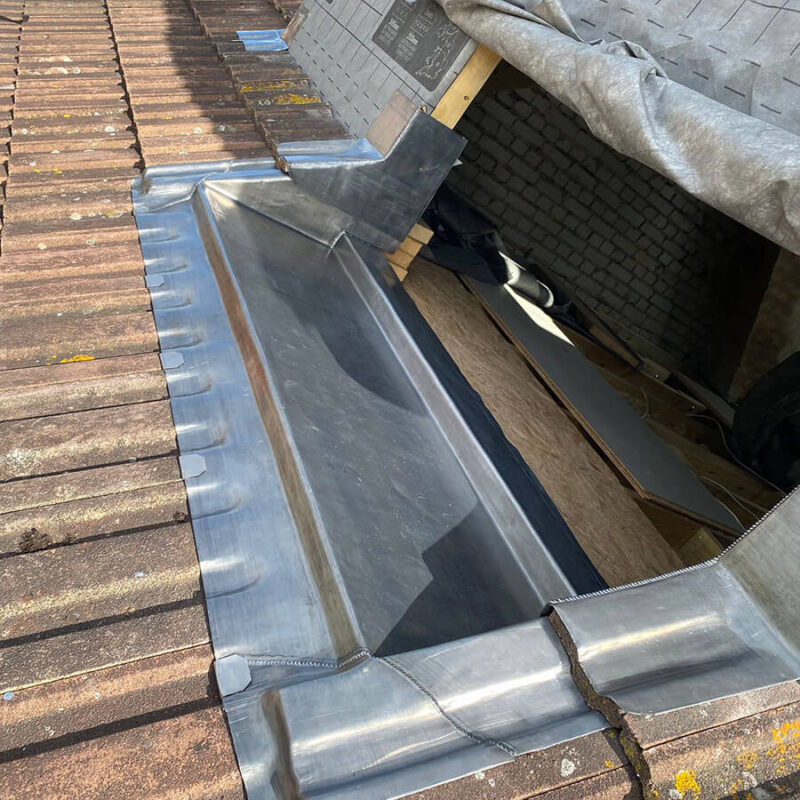
Lead window trays are installed above window openings to intercept moisture travelling through cavity walls and safely redirect it to the external face of the building. They are a key detail at window heads, particularly where lintels, cavity closers, or structural changes introduce potential water paths.
Incorrect detailing, missing trays, or poor installation can result in water tracking internally above windows, leading to damp staining, plaster damage, and deterioration of internal finishes. Our approach focuses on correct specification, accurate detailing, and compliant installation to ensure window trays perform as intended over the life of the building.
What Lead Window Trays Help With

Damp Prevention
Correctly installed lead window trays help manage moisture above window openings, reducing the risk of long-term damp developing behind internal wall finishes.

Water Ingress
Lead window trays intercept water travelling across cavity walls and redirect it externally, protecting window heads, lintels, and surrounding masonry.
Water Leaking
Localised water leaks can occur where window trays are missing or poorly detailed, allowing water to track internally above window frames.

Penetrating Damp
Failed or incorrectly installed window trays can allow moisture to pass through masonry, leading to penetrating damp and internal damage around openings.
Our Approach
1
Site Survey & Assessment
2
Specification & Detailing
3
Installation & Sign-Off
Applications
Lead window tray installation is commonly required across a wide range of building types and project scopes, including:
- New build developments
- Extensions and refurbishments
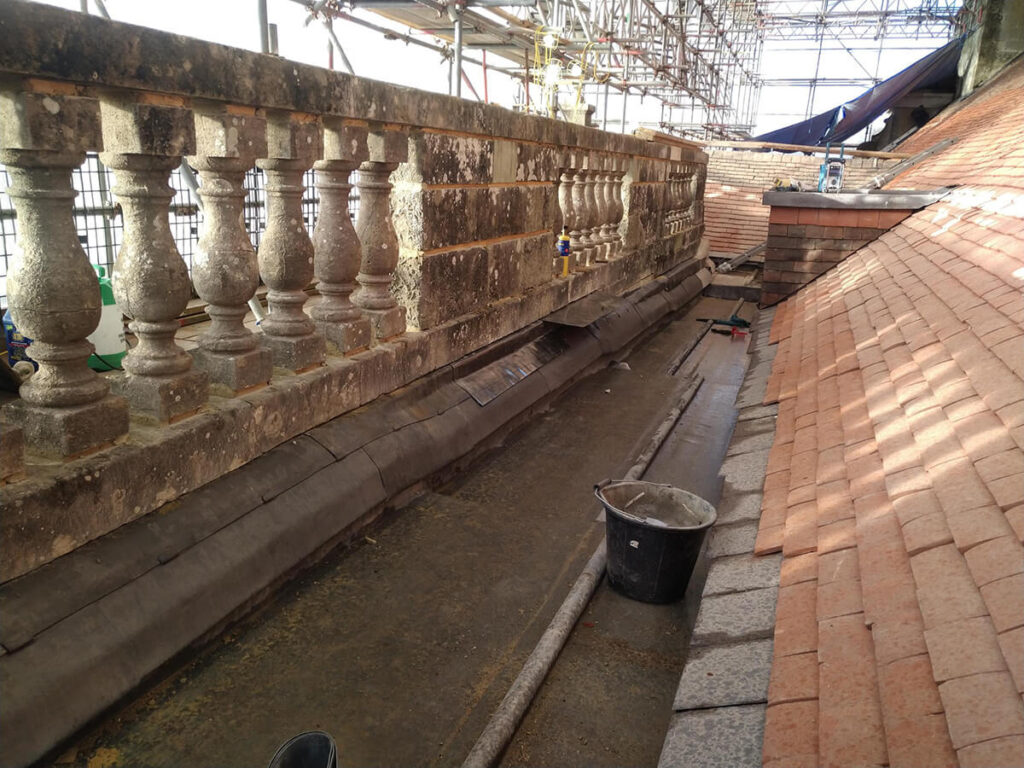
- Heritage and listed buildings
- Commercial masonry structures
Get in Touch
Standards and Compliance
- BS EN 12588 compliance
- LSA-approved detailing methods
- Building Regulations requirements
- Project and manufacturer specifications
This ensures installations are durable, compliant, and fit for purpose across the full life of the building.
Why Choose TrayTek
TrayTek combines decades of leadworking expertise with a commitment to technical accuracy and long-term building performance. We deliver reliable, compliant installations tailored to each project’s requirements, from new developments to Grade I listed structures.
BS EN 12588 compliant lead and LSA-approved detailing methods
Fully qualified craftsmen with heritage and conservation experience
Comprehensive surveys, technical reports and installation guidance
Proven results across residential, commercial and historic properties
Transparent communication and clear project oversight
Practical, durable solutions based on accurate diagnosis
Customer Feedback
Our work is trusted by contractors, developers, and property owners across a wide range of project types. Feedback consistently reflects our technical understanding, attention to detail, and reliable delivery.